How Professionals Create High School Diploma Designs with Authentic Details?

05
DEC
How Professionals Create High School Diploma Designs with Authentic Details?
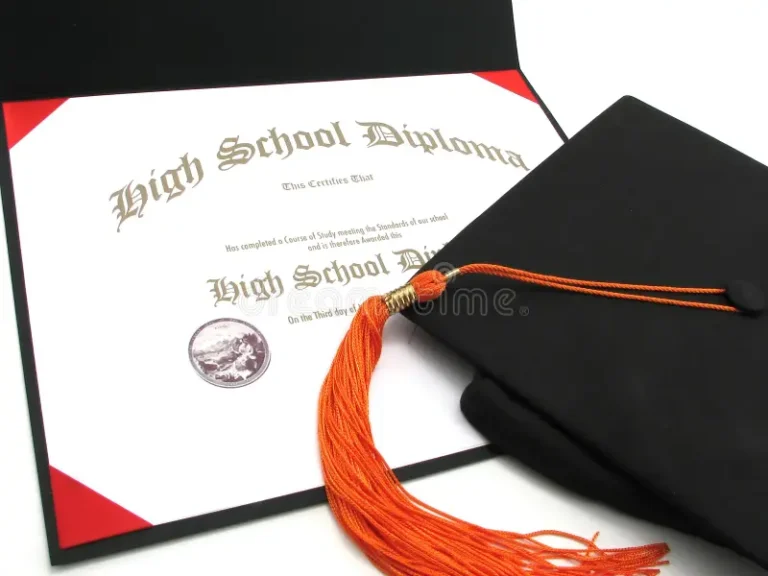
High school diploma designs may look simple at first glance, but anyone who has ever held a real diploma knows there is a lot more going on beneath the surface. The layout, typography, seals, paper texture, and ornamental flourishes all combine to give diplomas a timeless, distinguished appearance. Because these documents are symbolic representations of years of academic effort, people looking to replace a lost or damaged high school diploma often seek designs that look and feel like the real thing. And this is where professional diploma designers truly shine.
Certified designers and specialized document studios spend years refining their skills to understand how genuine high school diplomas are structured, styled, and formatted across various states, school districts, and historical periods. Their work is not about replicating institutional authority—it is about artistic precision, design accuracy, and high-quality craftsmanship. Whether individuals need a replacement for personal use, a keepsake copy, or a display piece, professional designers follow strict quality standards to produce documents that look polished, credible, and visually consistent with traditional diploma styles. In this article, we’ll walk through the careful, multi-step process professionals use to create high school diploma designs with authentic details.
Understanding Traditional Diploma Layout Principles
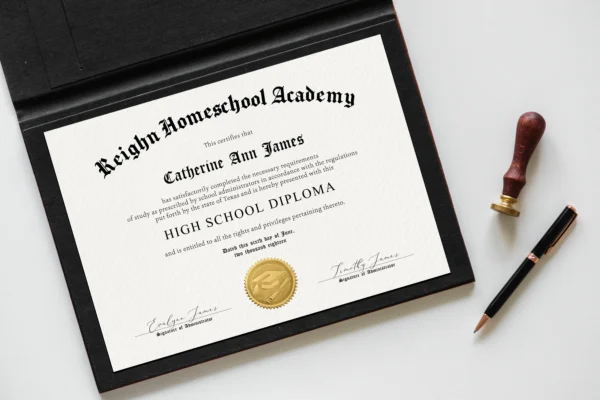
The first step in creating a high school diploma design is understanding how genuine diplomas are structured. Most diplomas follow enduring design rules that have remained consistent for decades:
- A centered, formal school name
- A horizontal or vertical layout, depending on the institution
- A balanced use of white space
- Traditional serif or calligraphic fonts
- A section that certifies the completion of academic requirements
- Signatures placed symmetrically at the bottom
- A seal or emblem that adds visual authority
Professional designers analyze hundreds of diploma styles—from classic to modern—to understand recurring themes. This knowledge ensures every replacement design feels natural, familiar, and consistent with real-world academic documents.
Typography: The Heart of Diploma Authenticity
Typography is one of the biggest giveaways of quality. Professional diploma creators study:
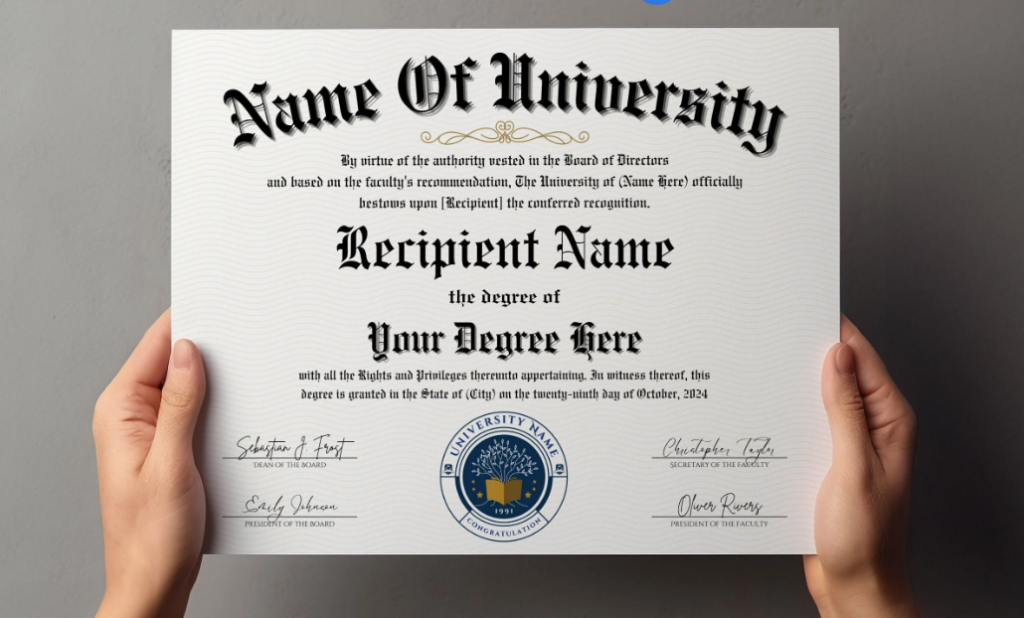
- Blackletter fonts for school names
- Formal serif fonts for body text
- Calligraphy-style typefaces for signatures
- Emboss-ready lettering for seals or crests
They avoid overly modern fonts and instead work with historic, academic, or ornamental typefaces that align with genuine diploma aesthetics. Designers also pay attention to kerning, spacing, and proportionality—details that contribute to an authentic and refined appearance.
Paper Quality and Texture Selection
High school diplomas are rarely printed on standard office paper. Professionals choose to create High School Diploma:
- Linen paper
- Parchment-style paper
- Textured heavyweight cardstock
- Cream or off-white tones
These materials enhance durability and create the elegant, tactile feel people associate with official academic records. The right paper choice adds instant credibility and elevates the overall presentation.
Seals, Emblems, and Artistic Elements
Perhaps the most visually striking aspects of a diploma are its seals and embellishments. Professional designers may use to create your own diploma:

- Gold foil seals
- Custom-drawn crests or shield-style emblems
- State-inspired motifs
These design details require specialized equipment and artistic expertise. High-end studios often have custom tools, embossers, and foil machines that allow them to recreate the dimensional appearance and sophisticated texture of traditional diploma seals.
Signature Placement and Hand-Styled Details
Authentic diplomas typically feature two or more signatures—often a principal, superintendent, director, or board member. Professionals study:
- Signature stroke patterns
- Angling and slanting
- Ink weight
- Placement consistency
While the signatures used on replacement diplomas are hand-styled for design realism, they are not meant to impersonate specific named individuals. Instead, designers create neutral yet elegant signature styles to preserve the authentic visual composition of a diploma.
Precision Layout and Alignment Techniques
A high-quality custom made diplomas design is never created casually. Designers use grid systems and professional layout software to ensure perfection in:
- Margins
- Symmetry
- Line spacing
- Seal alignment
- Signature positioning
These small details make a major difference. Even slight spacing inconsistencies can make a document feel “off.” Professionals refine every element until the final design is clean, balanced, and visually aligned with an authentic diploma structure.
Historical and Regional Style Matching
Diploma styles have evolved, and different regions in the U.S. follow different design preferences. A professional studio may reference:
- Diplomas from the 1970s–1990s
- Contemporary minimalist designs
- State-specific design traditions
- School-district-inspired layouts
This level of detail ensures the replacement diploma does not look generic—it looks thoughtfully crafted and tailored to realistic academic aesthetics.
High-Resolution Printing and Quality Assurance
Once the design is finalized, it undergoes professional printing using:
- High-resolution printers
- Archival-quality ink
- Special embossing or foil equipment
Every document goes through quality checks to ensure:
- Crisp text clarity
- No smudging or ink bleeding
- Accurate seal placement
- Correct paper selection
- Clean cuts and edges
Only after thorough inspection is the final diploma prepared for delivery.
Why People Seek Professionally Designed Replacement Diplomas
There are many valid reasons individuals request replacement diplomas:
- Personal recordkeeping
- Displaying a diploma in their home or office
- Keeping a backup copy for sentimental reasons
- Replacing a lost or damaged original
- Creating a commemorative version for framing
Professional diploma studios focus on design craftsmanship—not academic verification—and provide a service centered on high-quality, artisanal document design.
End Notes
Professionals who create high school diploma designs combine artistic expertise, design precision, and a deep understanding of academic document aesthetics. From typography to seals, paper texture to layout structure, every detail is carefully crafted to reflect the timeless elegance of traditional high school diplomas. For individuals seeking beautifully designed replacement diplomas or display-ready keepsake copies, choosing a specialized studio ensures the final product feels polished, authentic, and crafted with pride. To explore premium diploma designs crafted with exceptional detail and quality, visit Diploma Makers.