Top Use Cases of a College Transcript Generator for Academic Documentation

22
JAN
Top Use Cases of a College Transcript Generator for Academic Documentation
Academic documentation plays a crucial role in how education systems operate, from admissions and evaluations to record keeping and instructional design. College transcripts, in particular, follow a highly structured format that reflects coursework, grading systems, credit allocation, and institutional standards. Understanding how these documents are designed and presented is important not only for students but also for educators, developers, designers, and academic service providers.
In recent years, transcript generators have emerged as practical tools for creating replica, sample, or unofficial transcript formats. These tools are not intended to replace official academic records issued by accredited institutions. Instead, they are commonly used for visual representation, demonstration, testing, creative, and educational purposes where real transcripts are either unavailable, inappropriate to share, or unnecessary. In this blog, we explore the top legal and ethical use cases of a college transcript generator, highlighting how these tools are responsibly used for documentation, learning, and presentation purposes—while maintaining transparency and compliance.
Educational Demonstrations and Training Purposes
One of the most common uses of a college transcript generator is academic training. Institutions, coaching centres, and EdTech platforms often need sample transcripts to explain:
- How grading systems work
- How credits are calculated
- How GPAs are structured
- How transcripts differ across institutions or countries
Using generated transcripts allows instructors to demonstrate these concepts without exposing real student data. This is especially valuable in workshops, online courses, and orientation programs.
UI/UX Testing for Academic Software Platforms
Developers building student portals, admission systems, LMS platforms, or credential evaluation tools require realistic-looking academic documents to test layouts, data parsing, and user flows.
A transcript generator provides:
- Controlled sample data
- Multiple formatting scenarios
- Safe testing without privacy risks
Since these documents are used strictly in development and staging environments, they serve a functional role in improving educational technology systems.
Mockups for Design and Presentation Projects
Graphic designers and branding agencies often work on:
- Academic dashboards
- Student information systems
- Institutional reports
- Education-related pitch decks
Rather than leaving blank placeholders, designers use transcript generators to create visual mockups that look complete and professional. These samples help clients better visualise the final product while remaining clearly non-official.
Film, Theatre, and Creative Productions
In creative industries, authenticity matters. Films, web series, stage productions, and digital storytelling projects sometimes require academic documents as props.
Transcript generators allow creators to:
- Design realistic academic paperwork
- Maintain continuity and detail
- Avoid using real or sensitive records
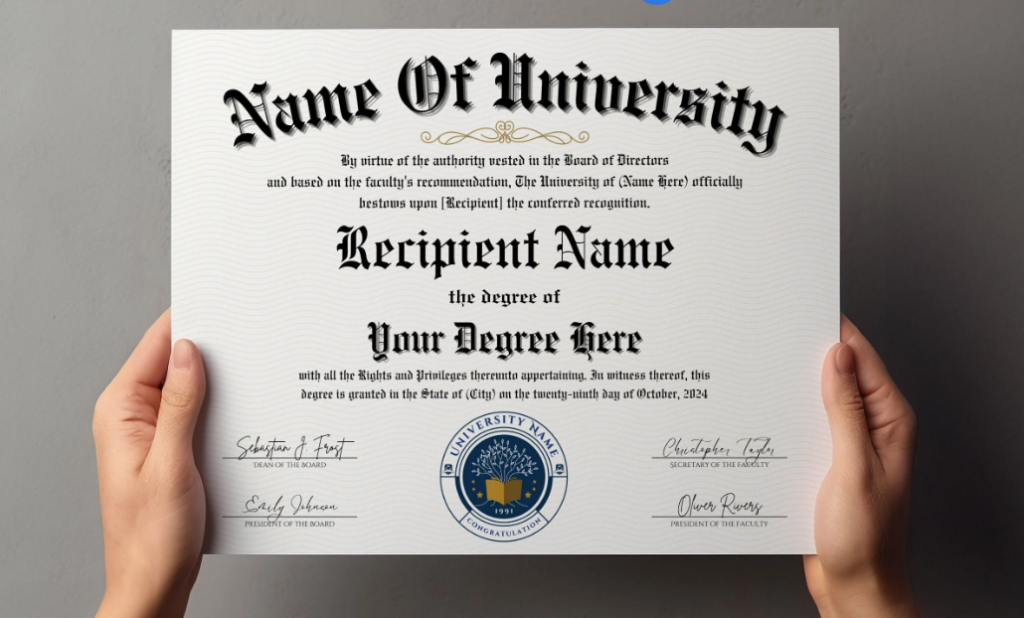
These custom made diplomas are purely for fictional or entertainment purposes, making transcript generators a practical behind-the-scenes tool.

Practice Documents for Students Learning Documentation Standards
Students pursuing careers in:
- Academic administration
- Education management
- Credential evaluation
- International admissions consulting
often need to study transcript formats as part of their learning. Generated transcripts serve as practice material, helping students understand structure, terminology, and formatting conventions without misrepresentation.
Personal Record Recreation for Reference Only
In some cases, individuals may want to recreate a personal academic record for private reference—such as organising past coursework details or maintaining a visual summary of academic history.
When clearly marked as unofficial and used solely for personal documentation, transcript generators can help users maintain structured records without claiming institutional authenticity.
Portfolio and Case Study Samples
Professionals working in education consulting, software development, or academic services often present case studies or sample workflows. The process to create fake diploma allow them to showcase:
- Process explanations
- System capabilities
- Documentation handling
without relying on real credentials. This maintains professionalism while respecting ethical boundaries.
Research and Academic Format Analysis
Researchers analysing:
- Grading systems
- Credit frameworks
- International education comparisons
Use generated transcripts to illustrate findings or explain differences between academic models. These samples support clarity in research presentations and academic discussions.
Demonstration for Credential Evaluation Training
Credential evaluation professionals-in-training often need exposure to different transcript styles. Generated samples provide a safe way to practice document interpretation without handling real records during early learning stages.
Content Creation and Educational Blogging
Educators, bloggers, and academic content creators frequently use transcript samples in:
- Tutorials
- Explainer articles
- Visual guides
Transcript generators help create clear visual references that enhance understanding while remaining transparent and non-verifiable.
Wrapping Up
A College Transcript Generator serves a wide range of legitimate, ethical, and non-official purposes when used responsibly. From education and software development to creative production and training, these tools provide realistic academic document samples without replacing or misrepresenting official records. Transparency, proper labelling, and ethical usage are essential to ensure compliance in regions like the USA and Canada.
For those seeking replica or sample transcript formats intended for design, display, educational, or fictional use, platforms such as Diploma Makers offer a variety of transcript templates suitable for non-official applications where realism and structure are required—without claiming institutional validity.