Why Does a Professional Keep a Fake Degree for Office Display?
13
MAR
Why Does a Professional Keep a Fake Degree for Office Display?
Walk into many corporate offices, consultancy chambers, even startup workspaces, or watch most any TV show or movie, and you’ll often notice framed degrees proudly displayed on the walls. Academic credentials have long been associated with expertise, credibility, and authority. They signal years of study, discipline, and professional commitment. But in some cases, the certificates hanging behind desks are not always the original documents — and sometimes, they aren’t even authentic.
The question arises: why would professionals keep a fake degree for office display? Is it about social pressure, branding, lost credentials, wanting to keep one at home and one in your office or something more complicated? While there are unethical scenarios where individuals misrepresent their qualifications, there are also legitimate reasons why someone might use a replica or replacement certificate for display purposes — especially when the original is lost, damaged, or safely stored away. In this blog, we explore the psychological, social, and professional factors that lead individuals to display fake or replica degrees, the risks involved, and the ethical considerations surrounding this practice.
The Psychology of Credentials and Authority
Degrees symbolize achievement. They represent years of effort, financial investment, and personal growth. In professional environments, credentials act as silent endorsements of competence. Clients, employees, and partners often feel reassured when they see academic certifications displayed prominently.
Some professionals feel that visible credentials:
- Build immediate trust
- Reinforce authority
- Strengthen personal branding
- Validate expertise
In competitive industries, perception can significantly influence business outcomes. A framed degree behind a consultant or advisor can subconsciously influence how clients perceive their knowledge and reliability.
Social Pressure and Professional Image
In many societies, educational qualifications are directly tied to status. Doctors, lawyers, engineers, architects, and even corporate executives are expected to showcase their academic journey. In certain industries, especially where multiple competitors exist, professionals may feel pressured to “look qualified” to compete. When others prominently display credentials, individuals may feel obligated to do the same.
When the Original Degree Is Lost or Damaged
Not all displayed replica degrees are fraudulent. Many professionals choose to display copies while storing the original safely.
Common scenarios include:
- The original certificate was lost during relocation
- The document was damaged by water, fire, or aging
- The original is kept in a bank locker for safekeeping
- The institution takes time to issue replacements
In these cases, individuals may seek high-quality replicas or replacement degrees purely for display, while retaining legitimate proof of graduation.
Branding and Office Aesthetics
Office design has become a significant part of professional branding. A well-decorated wall featuring certifications, awards, and achievements sends a message of credibility.
Some professionals commission replica certificates for:
- Uniform framing design
- Better visual quality
- Matching office interior themes
- Multiple branch displays
For example, a business owner with multiple office locations may want framed degrees displayed at each branch while keeping the original secure at home.
Replacement Degrees vs. Fake Degrees
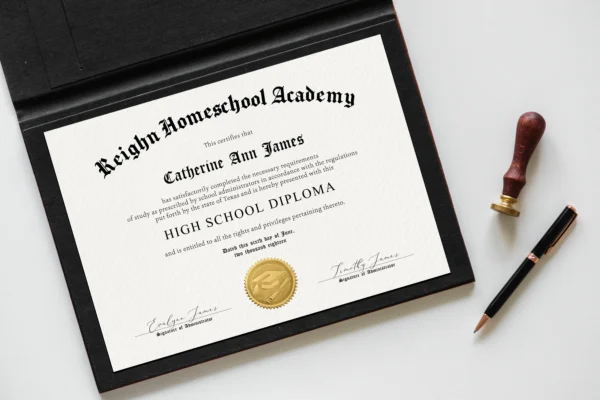
It’s important to clarify terminology. A “Fake Degree Online” typically refers to a document created to replicate or resemble the actual diploma that was issued by the school. A “replica” or “replacement degree,” on the other hand, is intended for someone who has genuinely graduated but needs a display copy due to loss, damage, or preservation concerns.

Why Many Professionals Are Not Worried About the Risk?
Despite the risks, some individuals attempt to display fabricated credentials due to:
- Career insecurity
- Imposter syndrome
- Competitive pressure
- Social expectations
- Desire for faster professional advancement
In reality, sustained success depends on skills, integrity, and performance — not just framed certificates. Modern hiring and client engagement often rely more on demonstrable results than wall décor.
Ethical Considerations of Displaying Replica Degrees
While displaying a fake degree may seem harmless in certain situations, it is important to understand the ethical boundaries involved. Ethically, transparency plays a key role. If a replica degree is displayed purely as a decorative copy while the original credential exists and can be verified, there is generally no issue. However, problems arise when individuals intentionally use fake credentials to mislead clients, employers, or regulatory authorities. In today’s digital world, verifying academic records has become easier through institutional databases, professional licensing boards, and background checks.
When Replica Degrees Make Sense
There are legitimate scenarios where a replacement or replica degree is practical and you need one or two fake degrees:
- Graduates whose certificates were destroyed
- Professionals want a display copy while storing the original securely
- Individuals relocating internationally who are unable to retrieve originals immediately
- Multi-office businesses requiring consistent wall displays
- Simply just wanted for a novelty purpose
In such cases, working with a responsible provider that serves only genuine graduates is essential.
Final Words
The presence of a degree on an office wall carries symbolic power. For some, it reflects years of hard work and achievement. For others, it becomes a tool for credibility or branding. However, there is a clear and important line between ethical replacement and fraudulent misrepresentation.
For verified graduates who need a professional display copy, Diploma Makers provides Fake Degree. Our service focuses on documents created for novelty use or replacement solutions. If you have completed your education and require a replacement document for presentation or preservation purposes, or simply need a realistic-looking diploma or degree for novelty use, visit us to explore responsible options tailored to genuine graduates.