Replica vs Original Diplomas: Understanding the Difference and Appropriate Uses
17
APR
Replica vs Original Diplomas: Understanding the Difference and Appropriate Uses
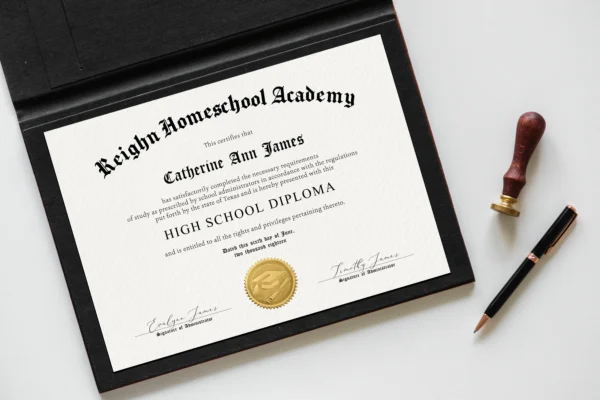
At first glance, a replica diploma and an original diploma can look almost identical. Same layout, same fonts, official-looking seals. For someone who is not paying close attention, the difference might not be obvious. But in reality, the gap between the two is much bigger than just how they look.
And that gap matters.
With more people searching online for replica diploma or even fake transcripts, it has become important to understand what these documents actually are, where they can be used, and where they absolutely should not be used.
What Is an Original Diploma
An original diploma is issued by an accredited school, college, or university after a student completes all required coursework. It is not just a printed document. It represents verified academic achievement.
Think of it like a passport. It is not just paper. It is backed by a system. Your name, your records, your grades, everything is stored and can be verified if written permission is given by the student.
When an employer asks for proof of education, sometimes they are looking at the certificate, and sometimes they want to see the transcripts as well. But depending upon the employer, they may be looking for something that can be verified through the institution itself.
What Is a Replica Diploma
A replica diploma, sometimes grouped under what people casually call fake diplomas, is a recreated version of a certificate. It is designed to look like the original but is not issued by the institution.
Websites like diploma-makers.com provide these types of documents. They are often marketed for display purposes, novelty use, or as a visual replacement if someone has lost their original.
And to be fair, there are situations where a replica makes sense. For example:
- You lost your original and want something to frame
- You need a prop for a film or photoshoot
- You want a visual copy for personal display in the case you may want one for your home and one for your office
In these cases, the replica is just that. A visual stand-in. Nothing more.
Why People Confuse the Two
Here is where things get a bit messy. Because replica diplomas can look very real, people sometimes assume they can be used in the same way as original ones.
That is where the problem starts.
An original diploma comes with a record. A replica does not. Even if the design is perfect, there is no institutional backing behind it.
It is a bit like printing a boarding pass at home without actually booking a flight. It might look right, but it will not get you on the plane. Of course had you actually booked your flight and printed your pass at home, that is a different story.
What About Fake Transcripts
The same idea applies to replica transcripts. A transcript is more detailed than a diploma. It includes subjects, grades, dates, and academic performance.
Employers and institutions often rely on transcripts even more than diplomas because they provide deeper insight.
Replica or fake transcripts, no matter how well designed, cannot be verified through official channels. And for some, the verification is everything.
Where Replica Diplomas Are Appropriate
Let’s keep this practical. Replica diplomas do have valid use cases.
People use them for:
- Office or home wall display
- Replacement visuals when originals are lost
- Theater, film, or creative projects
- Personal keepsakes
In these contexts, there is no intent to mislead anyone. The document is simply decorative or functional in a limited sense.
And honestly, a lot of people just want something to hang on their wall without going through a long university reissue process. That part is understandable.
Where They Should Not Be Used
This is the important part.
Replica diplomas or fake diplomas should not be used for:
- Job applications
- Immigration processes
- Academic admissions
- Professional licensing
Why? Because the ethical implications. Not appearance.
Though some employers may take the easy way out, every employer has the right before hiring a new employee, to verify ones education. As to the Family Education Right and Privacy act of 1974, student’s information requires a signed authorization that allows the employer obtain the student’s records from the school.
So even a high-quality replica will not hold up.
How Employers Actually Verify Credentials
A lot has changed in recent over the years.
Employers now:
- Contact universities directly
- Use third-party verification services
- Check digital credential platforms
- Cross-reference timelines and records
This means fake diplomas and fake transcripts can be detected when credentials are verified.
Even small inconsistencies can raise flags. A wrong date, a missing record, anything like that.
The Role of Services Like diploma-makers.com
Platforms like diploma-makers.com operate in a space where they provide replica documents for non-official use. The key thing to understand is that though these documents may be replacements, they do not replace real academic records.
They serve a different purpose.
If someone treats them as visual or novelty items, there is no issue. But expecting them to function as official credentials is where things go wrong.
A Simple Way to Think About It
Here is a simple way to separate the two:
- Original diploma = verified proof
- Replica diploma = visual copy
That is it.
Once you understand that distinction, everything else becomes clearer.
Why This Distinction Matters More Today
With digital verification, blockchain credentials, and centralized databases becoming more common, the gap between real and replica documents is only getting wider.
Authenticity is tied to data, not design.
Conclusion
Replica and original diplomas may look similar, but they serve completely different purposes. One is backed by verified academic records, while the other is simply a visual representation.
Keywords like fake diplomas and fake transcripts often blur this distinction, but the reality is straightforward. Replica documents have limited, appropriate uses, mainly for display or personal purposes.
For anything official, only authentic, verifiable credentials will work.
Understanding this difference is not just helpful. It is necessary if you want to avoid mistakes that could impact your career or credibility later on.