Fake vs Real Diplomas: 7 Differences You Can Check

03
MAR
Fake vs Real Diplomas: 7 Differences You Can Check
In an era marked by fierce competition and rapid advancements, the significance of educational credentials has reached unprecedented heights. As individuals strive to distinguish themselves in a saturated job market, the temptation to resort to shortcuts—such as acquiring fake diplomas—has become increasingly prevalent. The proliferation of online vendors offering counterfeit degrees appeals to those seeking immediate validation of their qualifications, often driven by financial constraints or time limitations.
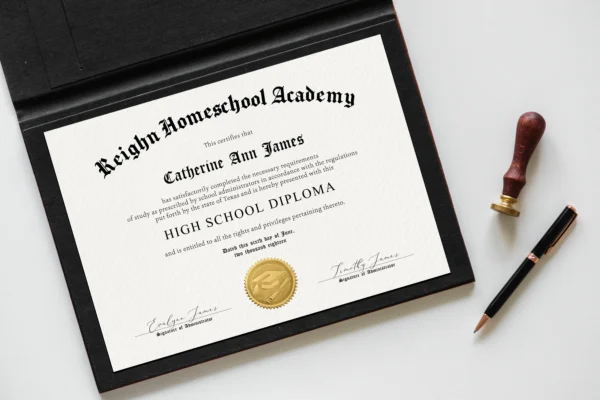
A replica made from the school's own layout, such as the Perfect Match Diploma, closes most of the visual gaps described below; the record-based checks are the part no replica can pass.
This phenomenon not only challenges the integrity of educational achievements but also raises critical questions about the long-term ramifications for both individuals and the broader workforce. As we delve into this intricate landscape, it is imperative to examine the underlying motivations for pursuing fake diplomas and the profound consequences that may ensue, both personally and professionally.
Argument for Purchasing a Fake Diploma
1. Immediate Job Market Needs
In a competitive job market, some individuals find themselves in situations where they need to meet specific educational requirements quickly. A fake diploma can help them secure job interviews or positions that might otherwise be out of reach due to a lack of formal credentials.
2. Lost or Inaccessible Originals
Many people lose their original diplomas or have difficulty obtaining duplicates due to bureaucratic hurdles. A fake diploma can serve as a stopgap solution, allowing individuals to provide proof of education while they navigate the process of retrieving their official documents.
3. Confidence Boost
Possessing a diploma, even a fake one, can significantly enhance an individual’s self-esteem and confidence. This boost can lead to better performance in job interviews or workplace interactions, potentially opening doors that might have remained closed otherwise.
4. Meeting Minimum Requirements
Certain employers set minimum educational criteria that may not always reflect an individual’s actual skills and experience. A fake diploma can help level the playing field, enabling capable individuals to showcase their abilities without being hindered by educational barriers.
5. Novelty and decorative uses
For some, a fake diploma is not intended for professional use but rather as a novelty item or decorative piece. It can serve as a reminder of personal aspirations or achievements, regardless of the actual educational journey.
Key Considerations Before Opting for a Fake Diploma
Acquiring a fake diploma is relatively straightforward. You don’t need to put in much effort to find one; a quick search online can yield results. So, why spend years in college when you could have a diploma in just a few days? According to a LinkedIn article titled “Do Employers Verify Degrees and Educational Background?”40% of companies are likely to hire individuals who misrepresent their education. Furthermore, 90% of candidates admit to lying about their educational backgrounds.
A diploma is essentially a certification from an educational institution, confirming the successful completion of a program. Thus, it often comes down to being a mere piece of paper attesting to your education. This realization may lead you to question whether attending school, enduring sleepless nights to pass exams, meeting deadlines, and spending money is truly worth it for just a piece of paper. Recognizing the differences between an original diploma and a fake one is crucial. Once you do, you can look for a provider that offers a convincing replica, allowing you to feel as confident as someone who earned their degree through hard work.
1. DIPLOMA LANGUAGE
A common pitfall for fake diplomas is a misunderstanding of the educational system’s language. It’s essential to spot linguistic errors, such as punctuation mistakes and inaccurate word usage. Some fakes employ ornamental language and overly elaborate prose, which can raise suspicions. For instance, in the U.S., the term “cum laude” is commonly used, while in the U.K., “honours” is preferred. Fake diplomas frequently contain grammatical errors, misspellings, and incorrect capitalization. Remember, employers will scrutinize your diploma; any errors may serve as red flags.
2. ALIGNMENT WITH THE ORIGINAL
Fake diplomas often display poor alignment. Issues with spacing and arrangement of names, logos, and text can be indicative of a counterfeit. Authentic universities ensure their diplomas are professionally laid out. Always verify that the layout and design reflect the standards of real institutions; poor design can significantly undermine the credibility of the presented diploma.
3. VERIFICATION FOR CLARIFICATION
Genuine diplomas include verifiable details such as an official postal address, website links, and signatures. Fake diplomas often omit this information, making it difficult to confirm their authenticity. Original diplomas carry institutional seals, while fakes do not. If you intend to acquire a fake diploma, ensure that the provider can guarantee verifiable information.
4. QUALITY OVER QUALITY
The quality of the printed diploma is also crucial. This is one of the key ways to distinguish a fake diploma from an authentic one. Employers may evaluate the paper quality and print quality. If they notice that your diploma uses low-quality materials, they may doubt its authenticity. Pay close attention to the texture and any embossed elements; the quality of your fake diploma should match that of a legitimate one.
5. RELIABILITY
Fake diplomas often contain incorrect details, such as the name of a non-existent school or an incorrect address. In contrast, authentic diplomas contain accurate information about the institution. Therefore, choose a fake diploma provider that ensures reliability regarding these details to avoid being caught.
These tips can help you identify a fake diploma compared to an original. Keep these factors in mind when considering a purchase. It’s often said that working smart is better than working hard. While education is undoubtedly important, it can also act as a barrier for individuals who cannot afford it. According to a 2017 Harvard Business School study, between 2007 and 2010, employers increasingly set bachelor’s degree requirements in their job listings, believing that degree holders are “job-ready.” How can someone gain equal employment opportunities when discrimination begins even before the application process?
Finally, keep the purpose in view. A replica is a novelty document for display, gifts and props: it is made to look like the original, but only the school can issue the real one, and the seven differences above are what separate the two.
For the longer comparison of where the two documents differ and what each is used for, see replica vs original diploma.