Diploma Mills vs Novelty Diplomas: How to Spot a Mill
06
NOV
Diploma Mills vs Novelty Diplomas: How to Spot a Mill
A diploma mill is an operation that sells degrees — or the appearance of them — without requiring the study that a degree represents, usually under the name of a "university" that is unaccredited or accredited by an organization no one recognizes. It presents the document as a real credential. A novelty diploma is a replica sold and labeled as a display document, with no claim to be a credential at all. The two are often confused because both produce a printed diploma. They are different in purpose and in how to spot them. This guide sets out the definitions, the warning signs regulators publish, and where the line sits.
What a diploma mill is
The US Department of Education describes diploma mills as entities that charge for degrees requiring little or no academic work and that lack legitimate accreditation (Diploma Mills and Accreditation). The Council for Higher Education Accreditation adds the companion category of accreditation mills — fake accreditors set up to make mills look legitimate (Important Questions About Degree Mills). The defining feature is the claim: the mill tells the buyer that the degree is real and can be used as one.
How to spot a diploma mill
The Department of Education and CHEA publish overlapping warning signs. Combined:
- Degrees in days or weeks. No accredited program awards a degree without assessed work over a realistic period.
- A flat fee per degree rather than tuition per credit or term.
- Degrees "based on life experience" alone, with no portfolio assessment by faculty.
- Accreditation you cannot check. The accreditor is not on the Department of Education or CHEA lists, or the "university" cites an accreditor that accredits only itself.
- A name chosen to resemble a real university, or a prestigious-sounding name with no campus, no faculty list and a mailbox address.
- "Verification" offered by the seller. The mill runs its own phone line or website to vouch for its own degrees.
- Pressure selling: discounts that expire today, "last few degrees," upsells to add honors or a second degree.
The Federal Trade Commission's consumer page on college degree scams covers the buyer's side; its guidance on researching academic credentials covers how to look a school up.
What a novelty diploma is
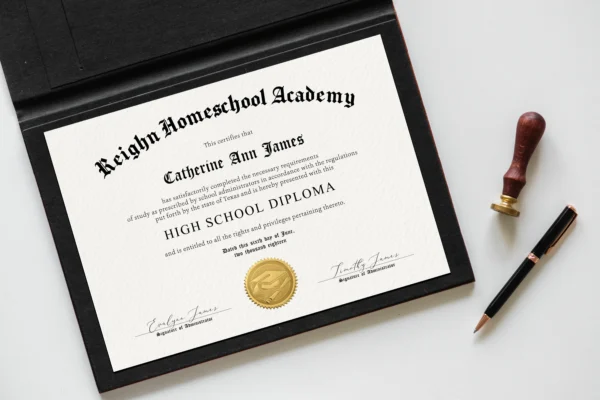
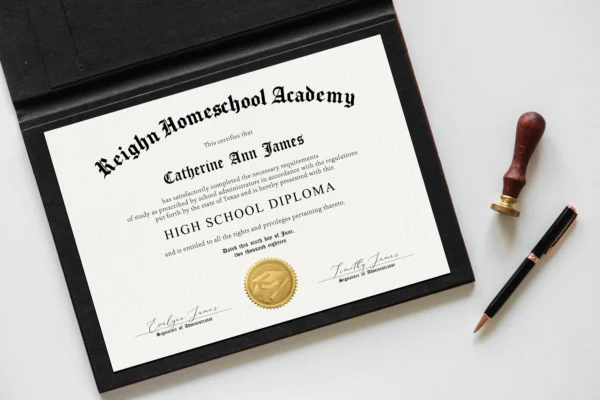
A novelty diploma is a printed replica — of a school's actual design or of a generic layout — made for display, gifts, props and replacing a lost original on the wall. It is sold as a novelty item and says so. It carries no record and no accreditation claim, and no one vouches for it as a credential. The difference from a mill is not the printing (both print documents); it is the claim. A mill says "this is a credential." A novelty maker says "this is not."
The line, in practice
| Diploma mill | Novelty diploma | |
|---|---|---|
| What the seller claims | A real, usable degree | A display replica, not a credential |
| Issuing name | A shell "university" presented as real | A replica of a real school's design, or a generic template, labeled as a replica |
| Accreditation | Claimed, usually via an accreditation mill | None claimed |
| "Verification" | Offered by the seller | Refused |
| Refused uses | None published | Published (for us: Things We Can't Do) |
| Intended use | Presented as a real qualification | Wall, gift, prop, lost-original stand-in |
Two of our pages make the position explicit: the Perfect Match Diploma page states that it is a novelty replica and that we are not affiliated with any institution, and the policy page lists what we decline to make. The ethics of where a replica is and is not appropriate are discussed in ethical uses of novelty diplomas; the legal landscape in the legality of novelty degrees.
"Fake degree from a real university" — which category?
Searches for a "fake degree from a real university" sit on the line. A replica of a real university's diploma, sold as a novelty for display, is a novelty document. The same replica sold with "verification," or with the suggestion that it will pass as the real thing, is a mill-style fraud regardless of how good the printing is. Our earlier piece on replica degrees from real universities covers the design side; the honest answer to "will it work as a credential" is always no.
Accreditation mills: the mill's supporting act
Because "accredited" is the word buyers look for, mills invented accreditors. An accreditation mill is an organization that sells accreditation without reviewing anything, or that accredits only the mill that created it. The tell is simple: recognized accreditors are themselves recognized — by the US Department of Education, by CHEA, or both — and both bodies publish their lists. An accreditor that appears on neither list confers nothing. CHEA's guidance explains how to check.
Why the distinction matters
The Department of Education, CHEA and the FTC describe the same problem: a document presented as a credential that was never earned. That misrepresentation — claiming a credential that does not exist — is what makes a mill a mill, not the printed document itself. A novelty replica, sold and labeled as such, does not make that claim; the moment anyone presents it as a credential, the person presenting it does.
A buyer's checklist
- Is the issuing name a real, accredited institution? If the seller says yes, check the Department of Education and CHEA lists yourself.
- Does the seller claim the document is a credential, or offer "verification"? Either makes it a mill product.
- Does the seller publish what it will not do? Honest novelty makers do.
- Is the price per degree with no coursework? Mills sell credentials that way; schools do not.
- Is the intended use display, gift or prop? Then a novelty replica is the right product and a mill is the wrong one.
The same questions, from the seller's side, are set out in our guide to telling whether a diploma maker is legitimate.
Frequently asked questions
Is buying from a diploma mill illegal?
Laws vary by state, so there is no single answer. The Department of Education, CHEA and the FTC all warn buyers away from mills; check your own state's rules before relying on anything a mill sells.
Is a novelty diploma from a real school's design a diploma-mill product?
No, provided it is sold and labeled as a replica with no credential claim and no "verification."
How do I check a school's accreditation?
Search the Department of Education's database of accredited institutions and CHEA's directory; if the accreditor is on neither list, treat the school as unaccredited.
Sources
- US Department of Education — Diploma Mills and Accreditation
- CHEA — Important Questions About Degree Mills
- Federal Trade Commission — College Degree Scams
- Federal Trade Commission — Avoid Fake-Degree Burns by Researching Academic Credentials