Diploma Sizes, Paper and Seals: 8.5×11, 11×14, A4 Explained
30
OCT
Diploma Sizes, Paper and Seals: 8.5×11, 11×14, A4 Explained
Three physical choices decide how a diploma looks and feels in the hand: its size, the paper it is printed on, and how the seal is made. Real schools make those choices once and keep them for decades; a replica has to make the same choices to match. This guide explains the standard sizes, what cover-weight paper is and why #65 Cougar cover is the stock we usually use, and the difference between a printed, a foil and an embossed seal — so you can choose correctly on an order form or check a document you already have.
Sizes: 8.5×11, 11×14 and A4
- 8.5×11 inches (US letter). The most common size for US public universities and for high school diplomas. Fits a standard document frame.
- 11×14 inches. Common at private colleges and for law, medical and doctoral diplomas; many universities use it for all degrees. Needs a dedicated diploma frame.
- A4 (210×297 mm, about 8.3×11.7 inches). The international standard; used by institutions outside the US and by some US schools with international programs.
A few institutions use 11×17 or custom sizes, and schools occasionally change size when they redesign, so an older and a newer diploma from the same university may differ. We offer all three standard sizes on the Perfect Match Diploma order form; for a Perfect Match we match the size the school actually uses, so choose the real one if you know it. What each choice adds to the price is set out in how much a novelty diploma costs.
Paper: why "cover" weight
Printing papers are sold by basis weight — the weight of a ream at a standard page size — and in two families. Text weights (20–32 lb) are the papers in an office printer. Cover weights (65–130 lb) are card-like: stiff, opaque, and able to hold an embossed impression without cracking. Because the two families are measured on different base sizes, "65 lb cover" is much heavier than "65 lb text"; Neenah Paper's FAQ explains the system (basis weight and cover vs text), and its paper-types guide covers the finishes (types of paper).
The stock we usually use is #65 Cougar cover, a smooth, bright-white to natural cover stock that prints fine type cleanly, takes foil well and embosses without cracking — the same class of paper used for commercial diploma printing. Parchment-look stock, with a mottled aged finish, is the other common diploma paper and is used by a minority of schools.
Seals: printed, foil and embossed
| Seal type | How it is made | How it looks and feels | Where it is typical |
|---|---|---|---|
| Printed (color) | Reproduced in ink as part of the main print run | Flat, full-color detail; no relief | Many public universities, most high schools |
| Gold foil | A metallic foil disc stamped onto the paper, often with the seal design pressed into it | Reflective gold or silver; slight relief | Private colleges, certificates, awards |
| Embossed | A die presses the design into the paper from behind | Raised, inkless relief you can feel; subtle in photographs | Older universities, state seals added to GED and high school documents |
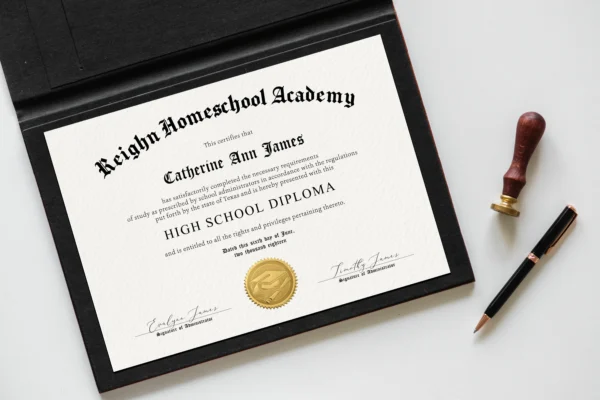
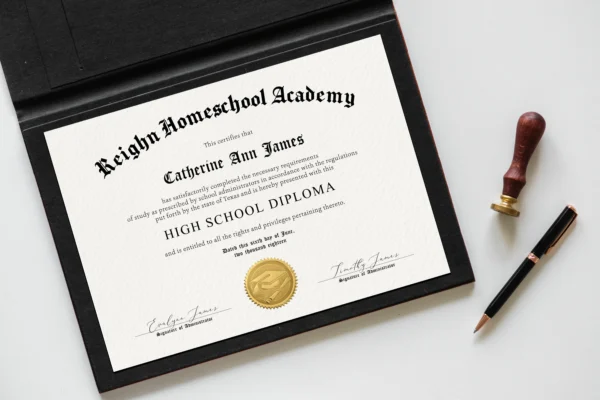
Schools often combine two: a printed institutional seal with a small embossed state seal, or a foil seal with an embossed outline. On the Perfect Match order form the seal comes flat (printed) as standard, with a raised, custom-embossed seal as an upgrade; for a Perfect Match we recommend the finish the school uses. The production side is described in raised seals and design quality and the process of creating a replica diploma.
Checking a document you already have
Measure it (letter, 11×14 or A4), hold it to the light (cover stock is opaque; text stock shows the hand through it), and run a finger over the seal (embossed seals have relief, printed seals do not). Those three checks place a diploma on the materials map in under a minute; the layout checks are in what a college diploma looks like and the finished-product comparison in modern replica diplomas: design, quality and accuracy. For what counts as "realistic," see realistic diplomas.
Matching the original
When you are replacing the look of a lost or damaged original, three questions decide the order: what size was it, what paper finish did it have, and how was the seal made. If you have a photograph of the original — even a phone photo of it in its frame — the answers are usually visible: the proportions give the size, the surface texture gives the paper (smooth cover versus mottled parchment), and the seal's shine or relief gives the finish. If you have nothing, the school's current diploma is the best guide; most institutions keep the same size and seal style for decades even when they update signatures or wording. A Perfect Match replica is built from the school's actual design, so these choices are normally made for you; the order form asks you to confirm the size and the seal finish.
How paper and seal affect framing
Cover-weight stock is stiff enough to lie flat under a mat without buckling, which text-weight paper will not do over time. Embossed and foil seals must never touch the glazing — the mat or a spacer keeps them clear — and foil dulls under direct sunlight, so UV-filtering glazing matters more for a foil-sealed document than for a printed one. The three sizes also drive the frame: letter-size documents fit a standard document frame, 11×14 needs a dedicated diploma frame, and A4 needs either an A4 frame or a custom mat opening in a letter-size frame.
Common mistakes
- Choosing 11×14 because it "looks more impressive." If the school issues letter-size diplomas, the replica will not match the original's proportions.
- Asking for parchment on a school that uses smooth stock. Parchment-look paper is distinctive; use it only where the original did.
- Laminating. Lamination crushes embossed seals, traps foil and cannot be undone. Frame instead.
- Printing at home on text paper. Office paper shows the hand through it, will not hold a seal and curls in a frame.
Frequently asked questions
Can I order a Perfect Match in a size the school does not use?
Yes — all three sizes are available — but the document then will not match the original's proportions.
Is heavier paper always better?
Heavier than cover weight gains nothing and can crack at the emboss. #65 cover is the diploma standard for a reason.
Does a foil seal fade?
Not under normal display. Keep it out of direct sunlight and under glass.
Sources
- Neenah Paper — FAQs: basis weight, cover vs text stock
- Neenah Paper — Paper 101: types of paper
- Diploma Makers — Perfect Match Diploma (size and seal options on the order form)